Most positioning advice treats the decision as a one-time event: get the message right, win the launch, move on. PlayStation shows why that’s incomplete. Across five generations, Sony wasn’t just trying to sell a new console. It was trying to carry people forward from one generation to the next.
Good positioning doesn’t just help you acquire customers; it also helps you retain them. It reduces friction to upgrade, builds loyalty across cycles, and makes staying feel easier than leaving. PlayStation’s history is a masterclass in how that works, and where it breaks.
PS1: Category creation is the strongest loyalty engine
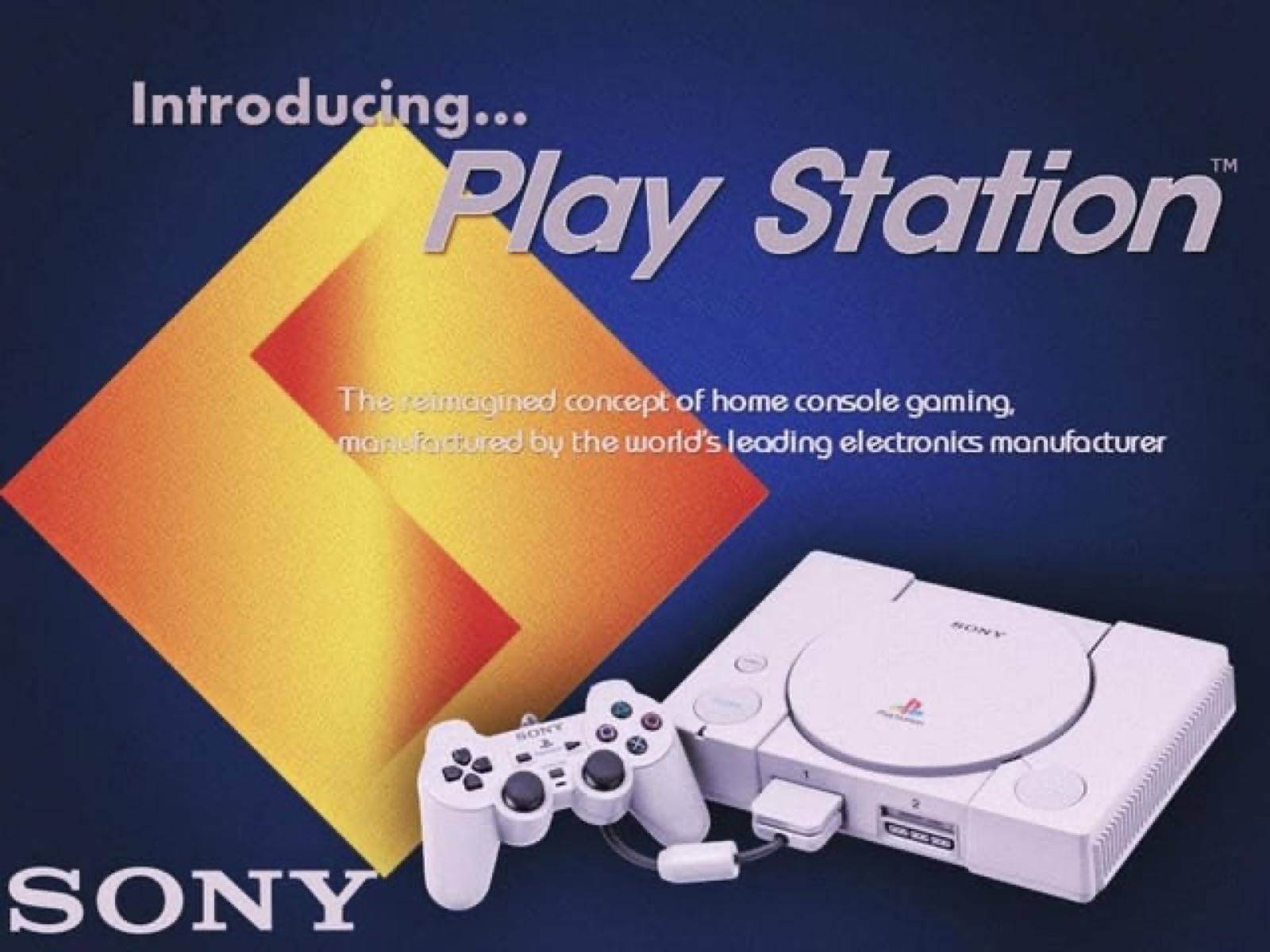
PS1 didn’t just enter the console market. It redefined what a console was for.
Before PlayStation, consoles lived in a toy frame. Sony reframed them as modern entertainment for teens and adults. CD-based games enabled scale and cinematic ambition. 3D worlds changed expectations. The brand aligned itself with music and film culture rather than children’s entertainment.
This mattered for loyalty. When you help create a category, early users don’t just buy a product; they also become part of a community. They buy into a worldview. Upgrading later feels like staying aligned with who they are, not reevaluating a purchase from scratch.
PS1 didn’t need to over-explain its value. The leap was obvious enough that users trusted Sony to lead them forward.
Category makers don’t just win adoption. They create psychological lock-in. Upgrades feel like a continuation, not a switch.
Source: Reddit Thread
PS2: Positioning as reassurance, not reinvention
PS2 didn’t need to re-earn trust. It needed to make upgrading feel sensible.
By aligning itself with DVD adoption, Sony reframed the upgrade decision. Buying a PS2 wasn’t just about better games. It was about upgrading the living room. That made the jump from PS1 feel rational, even inevitable.
This is an underrated positioning move. PS2 didn’t ask users to believe in a new future. It reassured them that sticking with PlayStation was the smart, low-risk choice.
The result was massive generational loyalty. Existing users upgraded. New users entered through a non-gaming door.
For upgrades, positioning should reduce anxiety, not introduce novelty. Make the next version feel like the safest decision.
PS3: When unclear positioning breaks upgrade momentum
PS3 is where Sony’s upgrade story fractured.
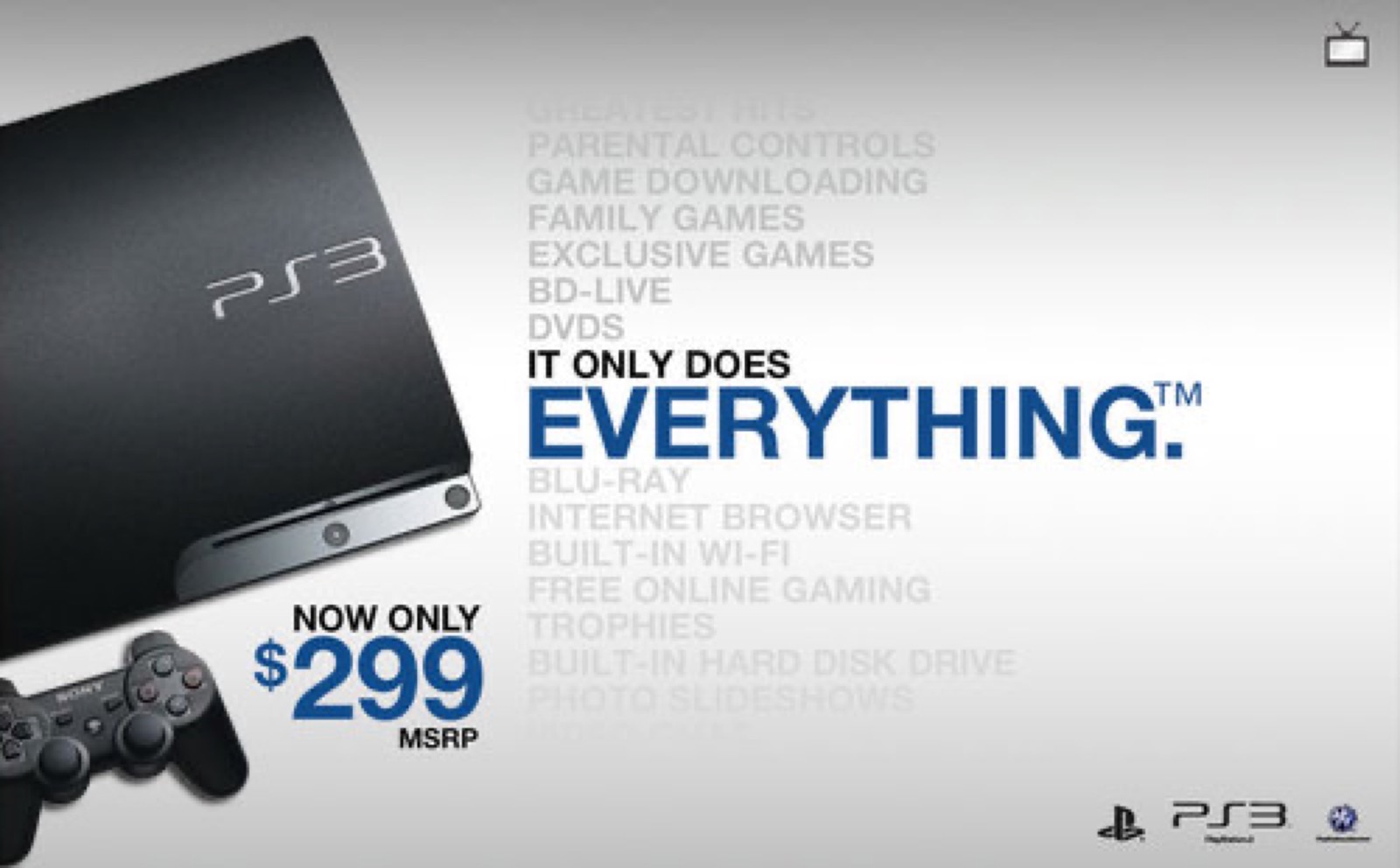
“It Only Does Everything” sounded ambitious, but it raised uncomfortable questions. What was PS3 actually best at? Why was it so expensive? Was this a console, a Blu-ray player, or a media hub?
For existing PS2 owners, the upgrade path wasn’t obvious. The value leap wasn’t framed clearly. Instead of feeling like a natural next step, PS3 felt like a different kind of product altogether.
At the same time, the market was fragmenting. PCs were improving. Phones were becoming entertainment devices. Streaming reduced the importance of physical media. “Everything” no longer felt cohesive.
This is where positioning hurt loyalty. When users have to stop and reassess whether a product still fits their needs, some will leave. Not because the product is bad, but because the story stopped carrying them forward.
Upgrades stall when positioning forces re-evaluation instead of reinforcing continuity. Confusion is the enemy of loyalty.
Source: Sony Rumours
PS4: Restoring trust and making upgrading feel safe again
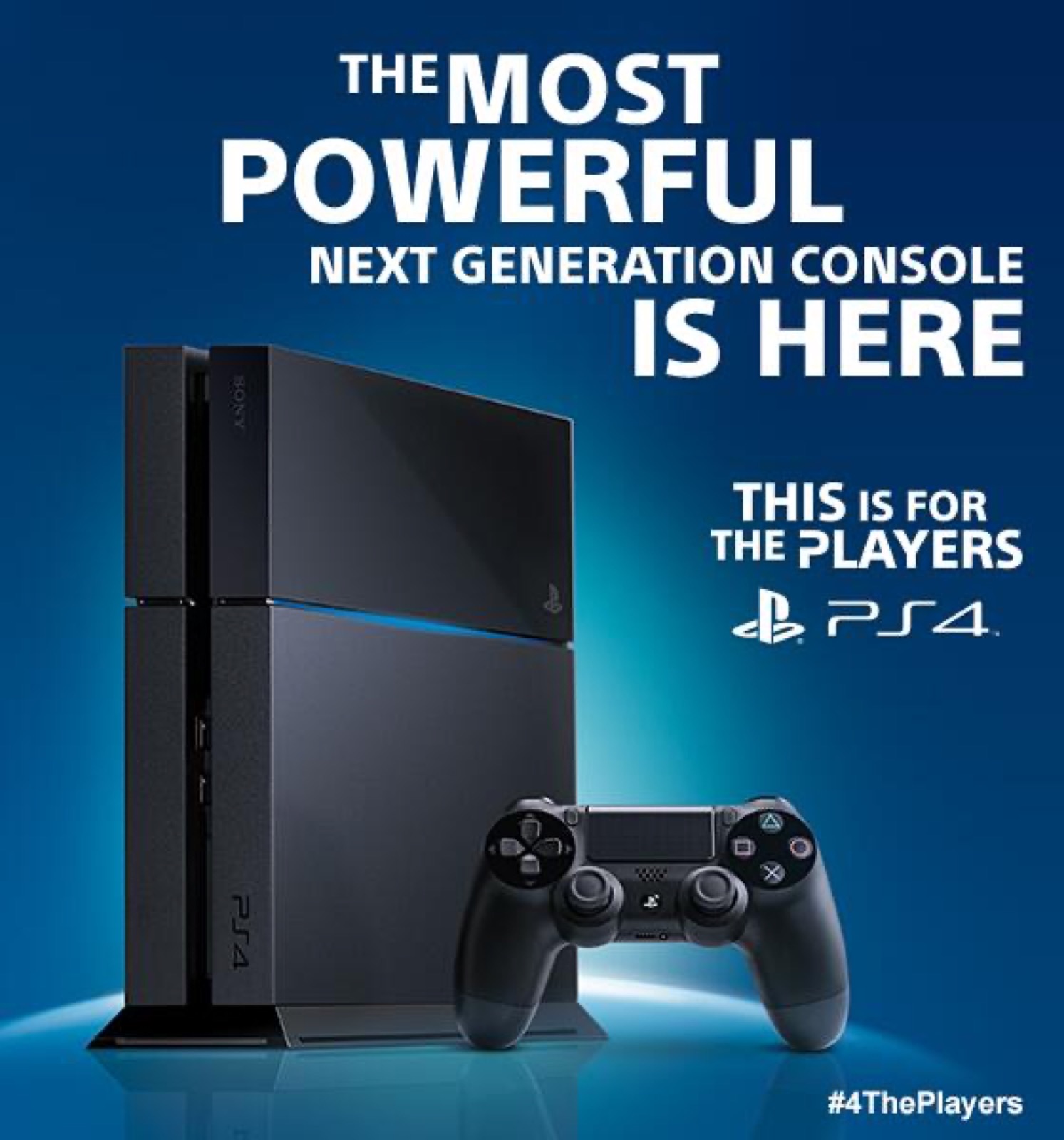
PS4 wasn’t just a technical reset. It was a trust reset.
Sony refocused on player behavior. Gaming was now social and shareable, and PS4 made those actions effortless. The Share button wasn’t a feature announcement. It was a signal: this console understands how you play now.
Just as importantly, PS4 didn’t ask users to rethink what PlayStation stood for. It simplified. It reduced friction. It made upgrading feel like returning to familiar ground.
For lapsed PS users, PS4 was an invitation back. For loyal users, it was reassurance that staying was the right call.
Loyalty is rebuilt by removing doubt. Strong positioning makes the upgrade feel emotionally safe, not just technically superior.
Source: PlayStation Europe X Thread
PS5: Positioning as a promise to existing believers
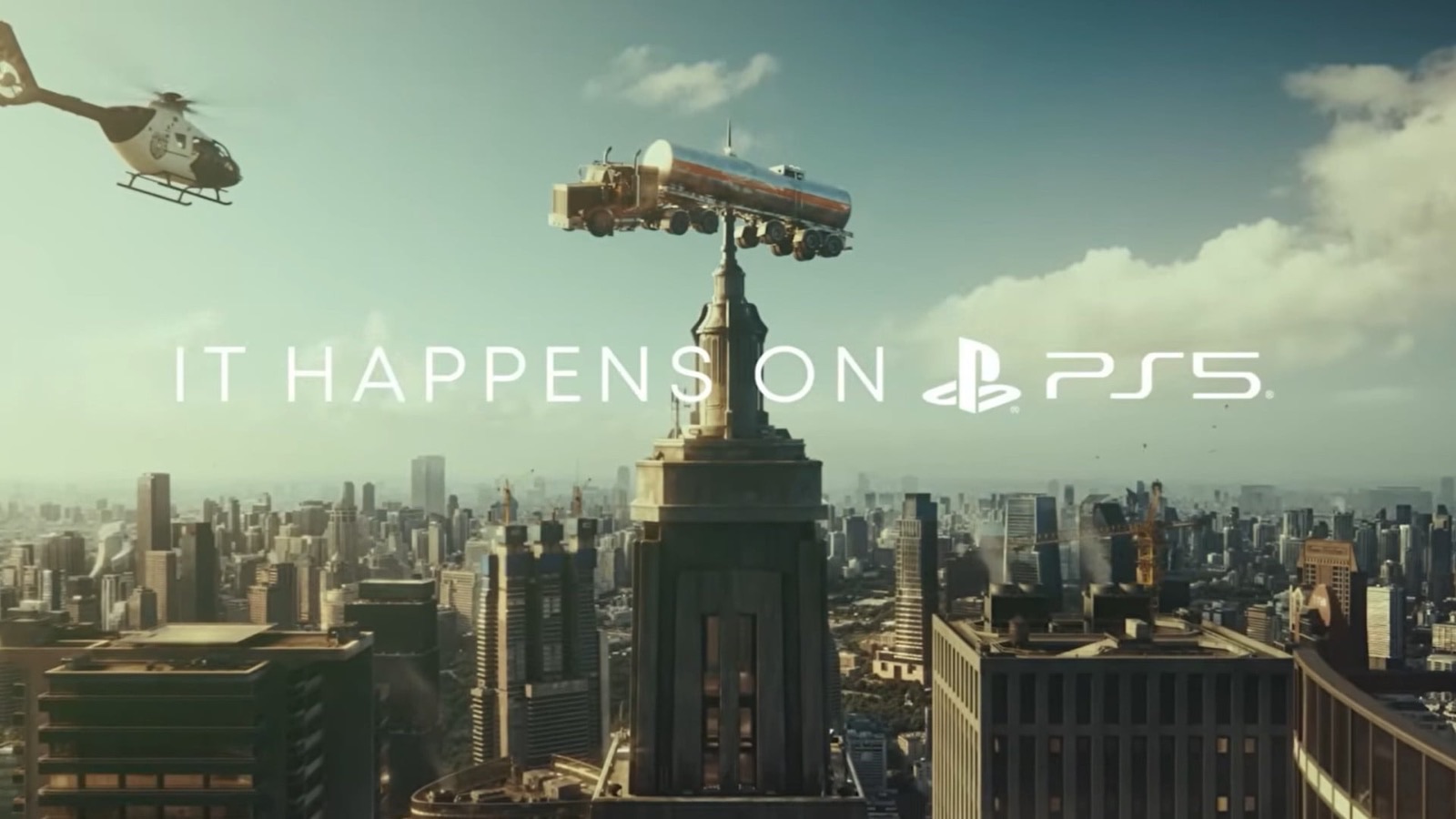
“Play Has No Limits” isn’t aimed at first-time console buyers. It’s aimed at people already inside the PlayStation ecosystem.
The message assumes trust. It says: we know you believe in what PlayStation stands for, and we’re going to remove friction so you can go deeper. Speed, immersion, sensory feedback, backward compatibility. These aren’t acquisition hooks as much as upgrade enablers.
The risk is execution. When you promise limitlessness, every small inconvenience feels bigger. Storage issues, availability, and long installs. These things don’t just frustrate users. They test loyalty.
Upgrade positioning is a promise. Breaking small promises repeatedly does more damage than missing big ones once.
Source: Pushsquare
What product teams should really take away
PlayStation’s story shows that positioning is cumulative. Each generation inherits expectations from the last.
- Category creation builds deep loyalty
- Reassuring positioning accelerates upgrades
- Broad positioning creates hesitation and churn
- Clear continuity keeps users moving forward
- Big promises raise the cost of execution mistakes
The most important insight is this: positioning doesn’t just explain why someone should buy you once. It explains why they should keep choosing you.
PlayStation’s strongest generations didn’t just win launches. They made upgrading feel obvious, staying feel safe, and leaving feel unnecessary.
That’s the level at which positioning stops being messaging and starts being a growth strategy.